
Few destinations capture the imagination quite like Tanzania safaris, where Africa’s wildest landscapes and most magnificent creatures await your discovery. This captivating country offers more than just wildlife viewing—it provides immersive experiences that connect you deeply with nature’s rhythms and ancient ecosystems. Whether you’re watching lions hunt across golden plains, witnessing thousands of elephants gather at waterholes, or marveling at volcanic craters teeming with life, Tanzania safaris create unforgettable moments that resonate for years to come.
Understanding Tanzania Safaris Excellence
Tanzania safaris have earned their place at the pinnacle of African wildlife tourism through a winning combination of natural abundance, conservation leadership, and tourism expertise. The country has established one of the world’s most impressive protected area networks, safeguarding diverse habitats from coastal forests to alpine meadows, from seasonal wetlands to permanent river systems. This conservation commitment ensures that wildlife populations remain healthy and ecosystems function naturally.
What makes Tanzania safaris particularly special is the opportunity to observe animals exhibiting natural behaviors in environments free from artificial constraints. Unlike smaller reserves where fences limit movement, Tanzania’s vast protected areas allow elephants to migrate seasonally, predators to establish large territories, and herbivores to move freely following rainfall and fresh vegetation. This freedom creates dynamic, authentic wildlife encounters impossible to replicate in confined spaces.
The professionalism pervading Tanzania’s safari industry ensures consistently excellent experiences. Guides undergo comprehensive training and certification, lodges maintain high service standards, and operators adhere to ethical wildlife viewing practices. This maturity means Tanzania safaris accommodate everyone from budget backpackers to luxury travelers without compromising on wildlife access or experience quality.
Premier Parks for Tanzania Safaris
Serengeti National Park: Africa’s Greatest Stage
The Serengeti dominates Tanzania safaris itineraries as the continent’s most celebrated wildlife sanctuary. This vast wilderness encompasses diverse habitats from endless grasslands to riverine forests, supporting extraordinary animal populations. The park hosts approximately 70 large mammal species and over 500 bird species, creating biodiversity that ranks among Earth’s highest.
The Great Migration remains the Serengeti’s crown jewel—over 1.5 million wildebeest accompanied by hundreds of thousands of zebras and gazelles move continuously through the ecosystem. This circular journey follows rainfall patterns, with dramatic river crossings providing heart-stopping moments as herds brave crocodile-infested waters. However, the Serengeti rewards visitors year-round with resident wildlife including massive lion prides, elusive leopards, and cheetah coalitions hunting across open plains.
Different Serengeti regions offer distinct Tanzania safaris experiences. Southern plains feature short grasses ideal for spotting predators and witnessing the January-March calving season when thousands of wildebeest give birth daily. Central Seronera provides year-round wildlife concentrations with excellent predator viewing. Western corridors offer river crossing drama from June through July. Northern Serengeti delivers exclusive experiences with minimal tourist presence during August-October migration peaks.
Ngorongoro Crater: A World Within Walls
Ngorongoro Crater stands as Tanzania safaris’ most unique destination—a collapsed volcano creating a natural wildlife arena unlike anywhere else on Earth. The crater’s 600-meter walls enclose approximately 260 square kilometers supporting around 25,000 large mammals in remarkable concentration. This natural enclosure functions as a complete ecosystem with permanent water, varied habitats, and year-round wildlife presence.
The crater floor offers exceptional Big Five viewing opportunities. Lions patrol territories passed through generations, elephants browse acacia woodlands, buffalo form massive herds on grasslands, leopards prowl forested areas, and critically endangered black rhinos find sanctuary under intensive protection. Morning game drives frequently produce extraordinary sightings as animals become active with cooler temperatures and prime light creates stunning photographic conditions.
Beyond the famous crater, the conservation area encompasses Olduvai Gorge where early human fossils were discovered, traditional Maasai lands demonstrating human-wildlife coexistence, and highland forests supporting different species than lowland areas. This diversity makes Ngorongoro essential on any Tanzania safaris itinerary.
Tarangire National Park: The Hidden Gem
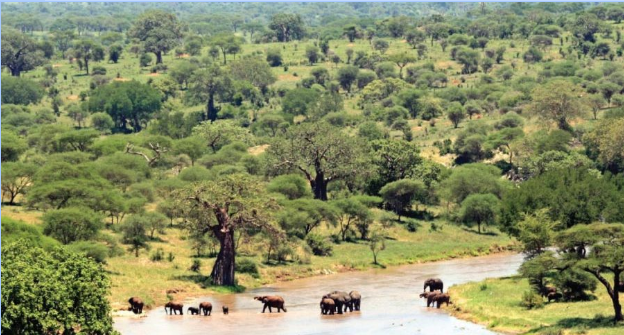
Tarangire deserves greater recognition among Tanzania safaris destinations given its exceptional wildlife concentrations and distinctive landscapes. During dry season months from June through October, the Tarangire River becomes a wildlife magnet attracting animals from vast surrounding territories. Elephant populations during this period rival anywhere in Africa, with herds numbering hundreds gathering along shrinking pools.
The park’s landscape creates unforgettable scenery dominated by massive baobab trees reaching skyward with swollen trunks and twisted branches. These ancient trees, some over 1,000 years old, serve critical ecological roles while providing iconic photographic backdrops. The combination of elephants moving among baobabs creates quintessential African imagery that defines Tanzania safaris for many visitors.
Beyond elephants, Tarangire hosts healthy lion populations, leopards in riverine thickets, and rare antelope species including fringe-eared oryx and gerenuk adapted to arid conditions. The park ranks among Tanzania’s premier birding destinations with over 550 recorded species, making it exceptional for ornithologists alongside general wildlife enthusiasts.
Lake Manyara and Beyond
Lake Manyara National Park compresses remarkable diversity into compact space, offering varied Tanzania safaris experiences within limited time. The alkaline lake attracts massive flamingo flocks creating pink-hued spectacles, while groundwater forests support different communities including tree-climbing lions exhibiting unusual behavior rarely observed elsewhere. The park’s small size allows thorough exploration in half-day visits, making it ideal for itineraries including multiple destinations.
Beyond these northern circuit highlights, Tanzania safaris extend to lesser-known parks offering equally impressive experiences. Katavi National Park in western Tanzania hosts phenomenal dry season wildlife concentrations. Nyerere National Park in southern Tanzania provides boat safaris and walking safaris through pristine wilderness. Ruaha National Park supports substantial elephant and predator populations in remote settings with minimal tourist presence.
Tanzania Safaris Activity Diversity
Modern Tanzania safaris offer varied activities catering to different interests and adventure levels. Traditional game drives remain fundamental, utilizing purpose-built vehicles with pop-up roofs providing 360-degree viewing. These drives typically occur during prime wildlife activity periods—early morning when predators hunt and animals become active, and late afternoon as temperatures cool and wildlife emerges from midday rest.
Walking safaris transform Tanzania safaris experiences by engaging senses vehicles isolate. Accompanied by armed rangers and expert guides, small groups explore on foot learning tracking skills, plant identification, and ecosystem relationships. The vulnerability of walking among dangerous games creates heightened awareness making even common species fascinating through new perspectives.
Night drives reveal nocturnal wildlife invisible during daylight. Specialized spotlights illuminate eyeshine as leopards, civets, genets, and rarely seen species like aardvarks emerge after dark. The darkness transforms familiar landscapes while guide expertise interprets sounds echoing through African nights.
Hot air balloon safaris provide serene aerial perspectives, floating silently above awakening plains at dawn. This peaceful experience offers unique photographic opportunities and broader landscape understanding while concluding with champagne bush breakfasts celebrating the adventure.
Cultural visits enhance Tanzania safaris through authentic interactions with Maasai communities. These encounters provide insights into traditional lifestyles coexisting with wildlife, ceremonial customs, and the challenges facing pastoralists in modern conservation landscapes.
Seasonal Planning for Tanzania Safaris
Understanding seasonal variations optimizes Tanzania safaris according to individual priorities. The dry season from June through October offers excellent general wildlife viewing as animals concentrate around diminishing water sources and reduced vegetation improves visibility. This popularity brings higher prices and increased tourist numbers, particularly in famous parks.
November-December short rains transform landscapes while maintaining good game viewing. Fresh vegetation triggers herbivore movements, many species give birth, and tourist numbers decrease substantially. January-March delivers spectacular Serengeti calving season when approximately 8,000 wildebeest calves are born daily during peak periods, attracting predators and creating dramatic hunting scenes.
April-May long rains present challenges including difficult roads and closed camps but reward adventurous travelers with dramatic photographic light, lush scenery, near-solitude, and significantly reduced prices. This period suits experienced travelers prioritizing exclusivity over guaranteed wildlife concentrations.
Practical Tanzania Safaris Considerations
Successful Tanzania safaris require thoughtful preparation. Most visitors arrive through Kilimanjaro International Airport near Arusha or Julius Nyerere International Airport in Dar es Salaam. Domestic flights efficiently connect between parks, though small aircraft impose strict baggage limitations requiring soft-sided bags under 15 kilograms.
Accommodation options span complete spectrums from ultra-luxury lodges with five-star amenities to authentic bush camping. Luxury properties provide gourmet dining, swimming pools, and impeccable service. Mid-range lodges offer comfortable facilities at accessible prices. Tented camps blend tradition with comfort. Budget camping delivers authentic experiences at minimal cost.
Health preparations include yellow fever vaccination if arriving from endemic countries, malaria prophylaxis for all safari areas, and routine immunizations. Comprehensive travel insurance covering medical evacuation is essential given remote locations. Pack neutral-colored clothing, quality sun protection, insect repellent, and camera equipment including telephoto lenses for wildlife photography.
Conservation Through Tourism
Tanzania safaris play vital roles in wildlife conservation through multiple mechanisms. Park entrance fees fund ranger salaries, anti-poaching operations, and infrastructure maintenance. Tourism employment provides alternatives to activities threatening wildlife. Community revenue sharing aligns local interests with conservation outcomes through tangible benefits.
Responsible travelers amplify positive impacts by selecting ethical operators, respecting wildlife viewing guidelines, supporting community initiatives, and advocating for conservation. These individual actions, multiplied across thousands of annual visitors, create substantial collective effects protecting Tanzania’s natural heritage.
Conclusion
Tanzania safaris offer transformative journeys into wilderness where natural processes continue operating largely unimpeded by human interference. These immersive experiences provide profound connections with nature, revealing predator-prey dynamics, survival strategies, and ecological relationships that modern life often obscures. Witnessing these interactions creates deep appreciation for conservation protecting Earth’s remaining wild places.
Tanzania’s success balancing wildlife protection with sustainable tourism demonstrates that intact ecosystems generate substantial economic value competing effectively with extractive land uses. This model faces ongoing challenges but offers genuine hope for global conservation efforts.
Every Tanzania safaris experience unfolds uniquely based on weather, animal movements, and countless variables making wildlife observation endlessly fascinating. No itinerary guarantees specific sightings, yet Tanzania’s exceptional animal densities ensure memorable encounters. This unpredictability adds excitement, creating unique stories for each visitor.
For anyone seeking authentic engagement with wild Africa, Tanzania safaris deliver consistently exceptional experiences. The combination of abundant wildlife, spectacular landscapes, professional infrastructure, and genuine wilderness creates adventures satisfying first-time visitors while captivating experienced travelers. Tanzania’s wild heart continues beating strong, inviting exploration and promising profound experiences that enrich lives immeasurably.
Key Takeaways
- Tanzania safaris access over 40% of the country protected for conservation, creating vast ecosystems where wildlife thrives naturally
- The Serengeti hosts over 1.5 million migrating wildebeest and approximately 3,000 lions—the world’s largest population
- Ngorongoro Crater contains 25,000 large mammals within a natural volcanic amphitheater offering exceptional Big Five viewing
- Tarangire National Park provides some of Africa’s finest elephant viewing with hundreds gathering during dry season months
- Activity options extend beyond game drives to walking safaris, night drives, balloon adventures, and cultural encounters
- Seasonal timing dramatically affects experiences—each period offers distinct advantages from calving drama to migration crossings
- Tourism directly funds conservation through park fees, anti-poaching efforts, and community development programs
- Accommodation ranges from ultra-luxury lodges to authentic bush camping, all providing excellent wildlife access
Frequently Asked Questions
What is the average cost per day for Tanzania safaris?
Tanzania safaris costs vary significantly by accommodation level and season. Budget camping safaris average $200-300 per person daily. Mid-range lodge safaris cost $400-650 daily. Luxury experiences range $800-1,500+ per person daily. Ultra-luxury private safaris can exceed $2,000 daily. These rates typically include accommodation, meals, park fees, game drives, and ground transportation. Peak season (June-October) commands 30-50% premiums over low season. Costs exclude international flights, visas, travel insurance, tips (typically $30-50 daily), and drinks.
When is the best time to visit Tanzania safaris?
Optimal timing depends on priorities. June-October dry season offers best general wildlife viewing with animals concentrated at water sources, though prices are highest and parks most crowded. January-March features a spectacular Serengeti calving season with intense predation. July-October delivers dramatic migration river crossings. November-December provides excellent value with good viewing and fewer tourists. April-May presents challenges but rewards adventurous travelers with exclusivity and dramatically reduced prices.
Are Tanzania safaris safe for solo female travelers?
Tanzania safaris are generally safe for solo female travelers when booking reputable operators. Parks employ armed rangers, professional guides ensure wildlife safety, and established tourism infrastructure provides security. Most operators accommodate solo travelers, though single supplements (30-100% extra) apply for private room occupancy. Joining group safaris eliminates supplements while providing social interaction. Standard precautions apply regarding lodging choices and urban areas outside parks. Overall, wildlife encounters pose minimal risk when following guide instructions.
Can children participate in Tanzania safaris?
Many Tanzania safaris accommodate families, though age policies vary by property. Luxury lodges typically accept children 6+ years, while family-specific camps welcome all ages. Private vehicles and accommodations offer maximum flexibility. Consider attention spans—younger children may struggle with long drives and early departures. Some lodges provide family rooms, child-friendly menus, and junior ranger programs. Walking safaris usually require participants aged 12-16+ minimum. Research specific property policies carefully when traveling with young children.
What vaccinations are required for Tanzania safaris?
Yellow fever vaccination is mandatory only if arriving from endemic countries but may be requested by immigration. Recommended vaccinations include hepatitis A and B, typhoid, tetanus, and routine immunizations. Malaria prophylaxis is strongly advised for all Tanzania safaris areas. Consult travel medicine specialists 6-8 weeks before departure for personalized recommendations. Comprehensive travel insurance covering medical evacuation is essential given remote park locations and limited medical facilities.
How many days are ideal for Tanzania safaris?
Minimum recommended duration is 5-7 days allowing visits to 2-3 parks without excessive rushing. This timeframe permits proper wildlife observation and safari rhythm adjustment. Ideal durations of 10-14 days enable comprehensive exploration including multiple ecosystems, varied activities, and higher probability of witnessing rare behaviors. Longer safaris allow relaxation between intensive viewing, cultural visits, and potential beach extensions. Remember 1-2 days involve travel logistics, so actual safari time equals total days minus travel days.
Do I need travel insurance for Tanzania safaris?
Comprehensive travel insurance is strongly recommended and required by many operators. Policies should cover medical evacuation (essential given remote locations), trip cancellation/interruption, baggage loss, and medical expenses. Medical evacuation from remote parks can cost $50,000+, making coverage crucial. Standard health insurance rarely covers international evacuation. Ensure policies cover adventure activities including game drives and walking safaris. Some operators offer safari-specific insurance packages. Purchase when booking as policies often exclude pre-existing conditions unless bought within specified periods after deposits.