
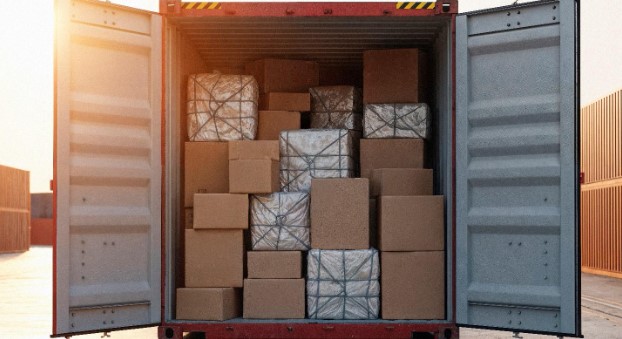
The shipping expenses can silently chip away at the margins, particularly in small and mid-sized companies that do not ship goods in full truckloads. Most businesses believe that all they can do is use costly, dedicated deliveries or slow, unreliable ones.
The modern freight solutions are much more flexible and have much more potential in terms of saving money without compromising reliability. Being informed about the functionality of these options might assist you in creating a more intelligent, less expensive shipping plan.
Why Traditional Shipping is Not Effective
Full truckload (FTL) is the most effective type of shipping when you need to fill a whole trailer. However, in cases where businesses have fewer or inconsistent deliveries, it is not economical to pay for the unused space.
Conversely, holding up shipments until you have sufficient quantity can cause bottlenecks, increased delivery time, and result in dissatisfaction among customers. This is where the less than truckload shipping is introduced, which provides a compromise between cost and efficiency.
Value of Shared Freight Space
Trailer sharing with other shipments is one of the best means of minimizing shipping costs. This allows numerous enterprises to share transportation expenses and yet retain a stable delivery time. Amidst your consideration of possible solutions, less-than-truckload shipping can be viewed as a viable alternative to the companies that require frequent freight deliveries.
Rather than paying the full amount for a vehicle, you will only pay the amount of space that your goods consume. This reduces cost, in addition to accessing the well-established carrier networks, enhancing coverage and reliability.
Maximize Packing and Load Productivity
Both weight and size tend to affect shipping costs. Poor packaging can result in an increase in expenses despite a relatively small product price. Have a look at the way your goods are packed and palletized. Small, tight packaging ends up saving on space and chances of being damaged during handling.
Handling can be enhanced with standardized sizes of pallets and correct loading procedures. Minor changes here can result in savings that can be felt in the long run.
Plan Shipments Strategically
The timing of shipping is a bigger factor in shipping costs than most businesses can imagine. Premium pricing is usually charged on last-minute bookings or deliveries on an urgent basis. Always try to pre-plan shipments and combine orders.
Combining multiple smaller consignments into a single consignment can help reduce handling costs and improve efficiency. It also facilitates the negotiation of better rates with carriers because of regular shipping schedules.
Establish a Good Relationship
Strong relationships with logistics companies over the long term can lead to improved prices and service. Carriers tend to provide better terms to those businesses that present steady volume and articulate communication.
Management is enhanced by working in close collaboration with providers. They understand your needs better, and this can be more effectively handled and less problematic in the long term.
Customizable freight ensures that you can scale with the changes in your business, with neither significant disturbance nor downturn. This flexibility is paramount in a market that can shift in a short time.