
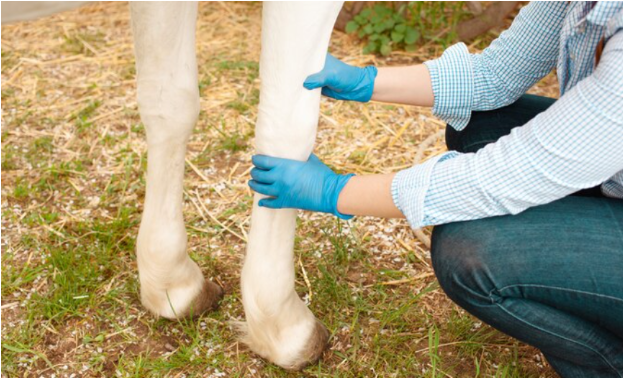
Horses are powerful animals, but their comfort and movement depend heavily on healthy hooves. When a horse starts showing signs of pain while walking, turning, or running, it can be worrying for any owner. One common cause of ongoing lameness is navicular disease, a condition that affects the structures inside the hoof. The good news is that with proper care and timely treatment, many horses can return to a more comfortable and active life. Understanding the condition and the available treatment options can make a big difference in your horse’s recovery.
Understanding Navicular Disease in Horses
Navicular disease is a chronic condition that affects the navicular bone and the surrounding tissues in a horse’s hoof, usually in the front feet. It often develops slowly over time and is commonly seen in performance horses, though any horse can be affected. The disease causes pain in the heel area, which leads to changes in the way the horse walks.
Owners may notice symptoms such as short, uneven steps, stumbling, or reluctance to move on hard ground. Some horses may also shift their weight frequently or rest one foot more than the other. Because the symptoms can appear gradually, the condition may go unnoticed until it becomes more serious.
Causes and Risk Factors
The exact cause of navicular disease is not always clear. However, several factors may contribute to its development. Poor hoof balance, improper shoeing, genetics, heavy workload, and certain body conformations can increase the risk. Horses that perform high-impact activities like jumping or racing may experience more stress on the hooves, which can also play a role.
Early diagnosis is important because treating the condition in its early stages often leads to better results. A veterinarian typically uses physical exams, hoof testers, nerve blocks, and imaging methods such as X-rays or MRI scans to confirm the diagnosis.
Importance of Early Navicular Disease in Horses Treatment
Starting navicular disease in horses treatment early can significantly improve a horse’s comfort and mobility. Treatment focuses on reducing pain, improving hoof balance, and slowing the progression of the disease. While navicular disease is often considered a long-term condition, many horses respond well to proper management and continue to live active lives.
Pain management is usually one of the first steps. Veterinarians may recommend anti-inflammatory medications to reduce discomfort and swelling. Corrective shoeing is also a major part of treatment. Special shoes or pads help support the heel, improve weight distribution, and reduce pressure on the affected area.
Role of Corrective Shoeing and Hoof Care
Proper hoof care is essential for managing navicular disease. Farriers play a key role in helping horses recover by trimming and balancing the hooves correctly. Special shoeing techniques can help raise the heel slightly, support the frog, and improve overall hoof function.
Regular hoof maintenance appointments are important because changes in hoof shape or balance can affect the horse’s comfort. Consistent care helps prevent further damage and supports healing over time. Many horses show noticeable improvement in movement once corrective shoeing is properly applied.
Medical and Therapeutic Options
In addition to shoeing and medication, other therapies may help manage the condition. Some veterinarians recommend joint injections, shockwave therapy, or regenerative treatments to improve blood flow and reduce inflammation in the affected area. Controlled exercise programs may also help maintain muscle strength without putting too much strain on the hooves.
Weight management is another important factor. Excess weight increases pressure on the feet, which can worsen symptoms. Providing a balanced diet and maintaining a healthy body condition can support recovery and long-term comfort.
Lifestyle Adjustments for Long-Term Comfort
Managing navicular disease often involves making adjustments to the horse’s daily routine. Softer ground surfaces, proper warm-up periods, and avoiding excessive hard work can reduce strain on the hooves. Some horses may need reduced workloads or modified activities, but many can still enjoy regular exercise with the right care.
Close monitoring is important. Owners should watch for changes in movement, behavior, or comfort levels and consult a veterinarian if symptoms return or worsen. Regular check-ups help ensure that the treatment plan remains effective.
Conclusion
Navicular disease can be challenging, but it does not always mean the end of a horse’s active life. With early diagnosis, proper hoof care, and a well-planned treatment approach, many horses experience significant relief from pain and improved mobility. Navicular disease in horses treatment focuses on comfort, support, and long-term management, allowing horses to walk more naturally again. By working closely with veterinarians and farriers, horse owners can help their animals regain comfort, confidence, and quality of life.