
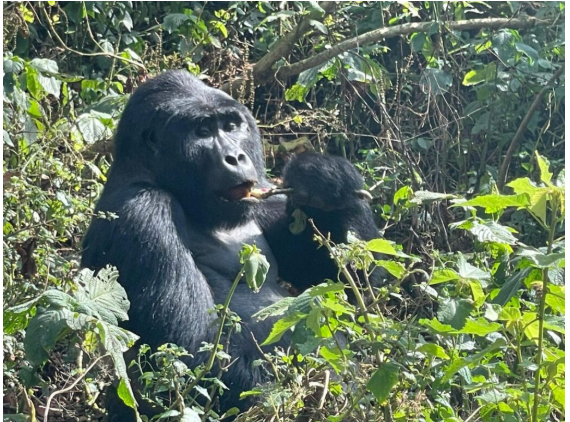
Rwanda is one of the few places where you can spend a morning with wild mountain gorillas in volcanic highland forest and, a day later, watch lions and elephants on an open savannah. The two experiences could hardly be more different, and that contrast is exactly why a combined gorilla and Combined Akager trip has become one of the country’s most popular itineraries.
Volcanoes National Park delivers the intimate, emotional encounter. Akagera National Park delivers the classic safari: game drives, boat cruises, and wide golden horizons. This guide explains how to combine the two, how long you need, what it costs, and how to plan a smooth journey.
Why Combine Gorillas and Akagera?
Two completely different ecosystems. Volcanoes National Park is cool, misty, and forested at high altitude. Akagera is warm, open, and dotted with acacia woodland, papyrus swamp, and lakes. Seeing both gives you a far fuller picture of Rwanda’s wildlife.
Compact geography. Rwanda is small. With Kigali as the hub, both parks are reachable in a few hours by road, so you can see primates and big game without internal flights.
Complementary activities. Trekking is a quiet, on-foot experience. Akagera is about vehicles, boats, and wide-angle scenery. The mix keeps a trip varied and well paced.
Strong conservation story. Both parks show how protected areas and community benefits can bring wildlife back, which adds meaning to the journey.
The Gorilla Experience in Volcanoes National Park
Volcanoes National Park lies in the northwest, around two to three hours from Kigali. It forms part of the Virunga Massif, shared with Uganda and the Democratic Republic of Congo.
On trek day, you attend a morning briefing at the park office, are assigned to a gorilla family, and set off with guides, trackers, and armed rangers in a group of up to eight visitors. The walk may last under an hour or several hours, depending on where the gorillas spent the night. Once you find them, you have one hour to watch and photograph from a respectful distance.
Gorilla and Combined Akager permits are issued by the Rwanda Development Board and are the largest single cost of the trip. Permit prices and conditions can change, so confirm current rates with the Rwanda Development Board or a licensed operator before you budget.
The Akagera Experience
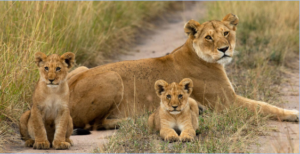
Akagera National Park lies in the east, along the Tanzanian border, and is Rwanda’s only savannah park. It protects a landscape of rolling hills, plains, woodland, wetlands, and a chain of lakes.
The park has been restored through a long-term conservation partnership, and wildlife has returned in impressive numbers. Lions and rhinos have been reintroduced, and the park now offers the chance to see all of the Big Five: lion, leopard, elephant, buffalo, and rhino. Sightings of any wild animal are never guaranteed, but the park offers excellent odds.
Activities in Akagera:
- Game drives. Early morning and late afternoon drives are best for giraffes, zebras, buffalo, elephants, topi, impala, and predators.
- Boat safari on Lake Ihema. Hippos, crocodiles, and many water birds can be seen up close.
- Night drives. Guided evening drives may reveal civets, genets, and other nocturnal animals.
- Birdwatching. The park is a strong destination for birders, with a wide range of savannah and wetland species.
- Community and cultural visits. Nearby communities offer crafts, dance, and local experiences.
How Far Apart Are the Two Parks?
Volcanoes National Park gorilla and Combined Akager sit on opposite sides of the country, with Kigali roughly between them. Expect around two to three hours by road from Kigali to Volcanoes and about two to three hours from Kigali to Akagera, depending on the entrance and traffic. A direct drive between the two parks takes most of a day, so most itineraries return through Kigali and use the capital as a base or a rest stop.
Sample Itineraries
4 Days: Gorillas and a Taste of Akagera
- Day 1: Arrive in Kigali, transfer to Akagera, and take an evening game drive.
- Day 2: Morning game drive and boat safari, then return to Kigali.
- Day 3: Drive to Volcanoes National Park and settle into your lodge.
- Day 4: Gorilla trek, then return to Kigali for departure.
This is tight but possible if you have limited time and are comfortable with long road days.
5 Days: A Balanced Combination
- Day 1: Arrive in Kigali, visit the Genocide Memorial and city sights.
- Day 2: Drive to Akagera for an afternoon game drive.
- Day 3: Early game drive, boat safari, then return toward Kigali.
- Day 4: Drive to Volcanoes National Park.
- Day 5: Gorilla trek and return to Kigali.
7 Days: Gorillas, Big Game, and Rest
- Days 1 and 2: Kigali and Akagera, with game drives and a boat safari.
- Day 3: Travel to Volcanoes National Park.
- Day 4: Gorilla trek.
- Day 5: Golden monkey tracking or the Dian Fossey hike.
- Days 6 and 7: Relax at Lake Kivu or visit Kigali before departing.
A seven-day plan gives you buffer time for weather and tired legs.
Which Order Is Better?
There is no single right answer, but each order has benefits.
Akagera first, gorillas last. You start with gentle vehicle-based days, then finish with the more physical trek. Gorillas make a powerful final highlight, and you avoid rushing back to the airport from the savannah.
Gorilla and Combined Akager first, Akagera last. The trek is out of the way early, and you can relax on safari afterward. This suits travelers who want to recover after a strenuous day or who worry about weather affecting the gorilla permit date.
Whichever you choose, avoid scheduling a long drive in the morning after a hard trek if you can.
Permits, Fees, and Budget
Gorilla and combined Akager trip includes several cost items:
- Gorilla permit: the largest single expense, issued by the Rwanda Development Board.
- Akagera park fees and activity fees: entry, game drives, boat trips, and night drives can carry separate charges.
- Accommodation: lodges and camps in both parks, plus Kigali.
- Transport: private vehicle with driver-guide, or internal transfers.
- Extras: porters, tips, meals, visas, and insurance.
Prices change by season and style of travel, so ask your operator for an itemized quote. Rwanda is not a budget gorilla destination, but you can manage costs by traveling in shoulder or wet seasons and choosing mid-range lodges.
Best Time to Go
Rwanda can be visited year-round, but conditions differ.
- Long dry season (June to September): The best period for both gorilla treks and game drives. Trails are firmer, and animals gather near water in Akagera. This is peak season, so book early.
- Short dry season (December to February): Another good window with generally pleasant conditions.
- Wet seasons (March to May and October to November): Expect rain and mud, but fewer visitors, greener scenery, and easier availability.
Because it is October now, travelers aiming for the June to September window should start arranging permits and lodges several months ahead.
Fitness and Packing
Gorilla trekking is physically demanding, while Akagera is relaxed and suitable for nearly everyone. Prepare for the trek with regular walking, stair climbing, or light hiking, and consider hiring a porter.
Pack for two climates:
- Waterproof hiking boots with ankle support
- Long-sleeved tops and long trousers in neutral colors
- A rain jacket and a warm layer for cool mornings
- Gloves for gripping vegetation on the trek
- A hat, sunscreen, and insect repellent
- Binoculars for game drives
- A camera with a good zoom, plus spare batteries
- A refillable water bottle and a small daypack
Rules to Remember
On the gorilla trek, the minimum age is 15, visitors must stay about seven meters from the gorillas, and flash photography is not allowed. Anyone with a contagious illness may be refused entry to protect the animals. In Akagera, stay inside the vehicle during game drives, keep voices low, and never feed or approach wildlife.
Choosing a Tour Operator
Look for a licensed local operator with clear itemized pricing, strong recent reviews, and transparent cancellation terms. Ask who handles your gorilla permit and what happens if you need to change dates. Responsible operators hire local guides, support community projects, and follow park rules. Be cautious about companies that offer permits far below the official rate or promise a specific gorilla family.
Conclusion
A combined gorilla and Akagera trip captures the full range of Rwanda’s wild side: the hush of volcanic forest and the sweep of open savannah in a single journey. With short distances, good roads, and a strong conservation focus, the country makes it easy to build an itinerary that is both varied and comfortable. Plan early, allow a buffer day or two, prepare for the trek, and travel with a trusted operator. The reward is a trip that moves from gentle giants to big game, and leaves you with a deeper understanding of how conservation can succeed.
Key Takeaways
- Rwanda lets you combine mountain gorillas and Big Five safari in one compact trip.
- Gorilla trekking takes place in Volcanoes National Park, while Akagera offers savannah game drives and boat safaris.
- Both parks are a few hours from Kigali, but they lie on opposite sides of the country.
- Five to seven days is a comfortable length for a combined itinerary.
- Dry seasons are best and busiest, while wet seasons are quieter and greener.
- Permit prices change, so confirm current rates with the Rwanda Development Board or a licensed operator.
- The minimum age for gorilla trekking is 15.
- Choose a licensed, transparent operator and book early.
Frequently Asked Questions
Can I combine gorilla trekking and Akagera in one trip?
Yes. This is a popular Rwanda itinerary, usually using Kigali as the central hub.
How many days do I need?
Four days is possible if time is tight, but five to seven days is more comfortable and leaves room for rest and weather.
Can I see the Big Five in Akagera?
The park is home to lions, leopards, elephants, buffalo, and rhinos, though sightings of wild animals are never guaranteed.
Which should I do first, gorillas or Akagera?
Both work. Many travelers do Akagera first and finish with the gorilla trek, while others prefer to complete the trek early and relax on safari.
How far is Akagera from Volcanoes National Park?
They are on opposite sides of Rwanda. Most itineraries route through Kigali, with roughly two to three hours of driving to each park.
When is the best time to go?
June to September is the driest and most popular period. December to February is also good, and the wet months offer fewer crowds.
How much does it cost?
Costs depend on the season, accommodation level, and activities. The gorilla permit is the largest item, with Akagera fees, lodging, and transport added. Request an itemized quote.
How physically demanding is the trip?
The gorilla trek is moderate to challenging, while Akagera game drives and boat trips need little fitness.
Can children join?
Children can enjoy Akagera, but gorilla trekking has a minimum age of 15.
Do I need a tour operator?
A licensed operator simplifies permits, transport, and logistics, especially for a multi-park trip.