
India’s mobile gaming landscape has transformed how people access digital entertainment. From casual puzzle games to competitive multiplayer experiences, smartphones provide convenient access to countless gaming platforms.
However, this convenience creates opportunities for cybercriminals. Fake gaming applications, fraudulent download links, and imitation websites can expose unsuspecting users to financial losses and stolen personal information.
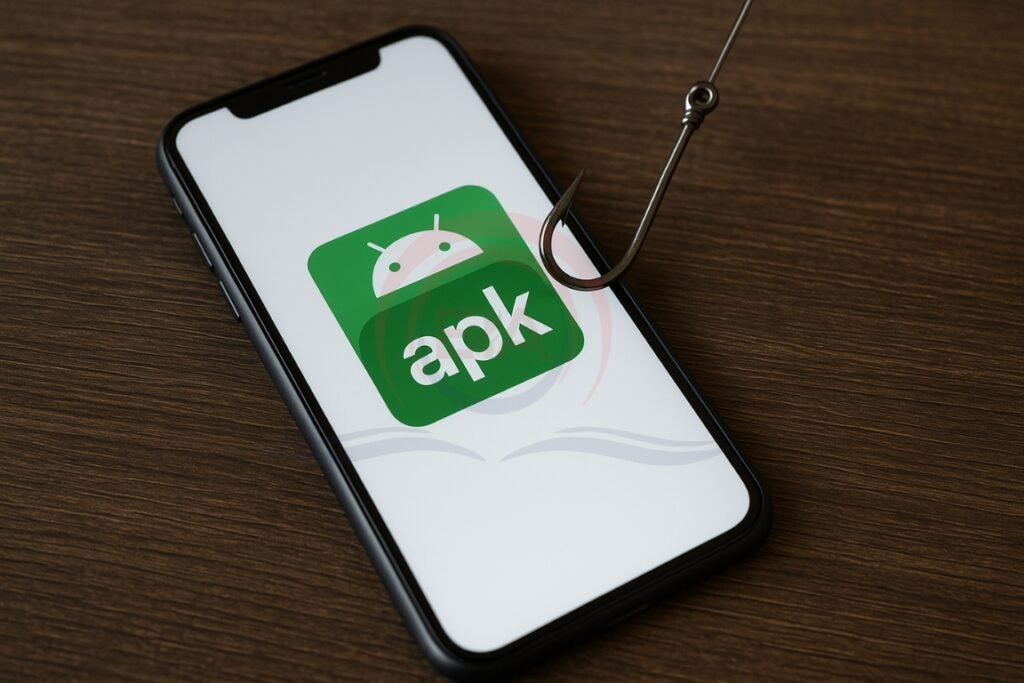
The fake gaming APK India threat deserves particular attention because Android users may encounter installation files distributed outside official app stores. Understanding how these scams operate is essential for anyone who regularly explores mobile gaming platforms.
Why Fake Gaming APKs Are a Serious Cybersecurity Concern
An Android Package Kit, commonly called an APK, is the installation file format used by Android applications.
Although APK files have legitimate uses, downloading them from unverified websites or messaging groups introduces additional security risks.
Cybercriminals may disguise harmful software as popular games, modified applications, or exclusive updates.
Once installed, malicious applications may attempt to collect passwords, intercept messages, access sensitive information, or trick users into authorising payments.
The Indian Computer Emergency Response Team (CERT-In) has warned users about fake mobile applications and the risks associated with installing files received through untrusted sources.
How Malicious Gaming Applications Reach Users
Fraudulent installation files may circulate through several channels:
- Telegram groups advertising exclusive gaming applications.
- WhatsApp messages containing suspicious download links.
- Websites promising modified versions of popular games.
- Social media advertisements promoting unrealistic rewards.
- Fake update notifications that imitate legitimate applications.
A familiar gaming logo or professional-looking website does not establish that a download is trustworthy.
Users should independently verify the developer, distribution source, and requested permissions before installing unfamiliar software.
Lookalike Websites: When a Familiar Domain Becomes a Trap
Not every gaming scam requires downloading an application.
Some attackers create websites that closely resemble established platforms. These fraudulent pages may reproduce logos, colours, login forms, and navigation menus to appear authentic.
The objective is often to persuade users to enter usernames, passwords, verification codes, or payment information.
For example, a fraudulent domain might replace one letter in a familiar website address or use a different domain extension.
Users researching gaming platforms can consult informational resources such as dmfirst download , an independent guide covering gaming-related information and safety considerations. However, readers should independently verify any platform’s official identity and must not assume that an informational website operates the gaming service it discusses.
Why HTTPS Alone Cannot Prove a Website Is Legitimate
Many internet users believe the padlock symbol automatically indicates a trustworthy website.
HTTPS primarily protects information transmitted between a browser and a website. It does not establish that the organisation behind the website is genuine.
Fraudulent websites can also obtain valid security certificates.
Checking the complete domain name, identifying the actual website operator, and avoiding unsolicited links provide more meaningful protection.
Fake Customer Support Accounts and Payment Scams
Another common deception involves impersonating customer support representatives.
Fraudsters may create social media profiles using gaming platform names, official-looking logos, and fabricated customer service credentials.
They might approach users who publicly complain about login problems, missing balances, or delayed withdrawals.
A typical scam begins when someone claiming to be a support representative offers immediate assistance.
The conversation may then shift toward requesting an OTP, password, remote-access installation, or payment to an unfamiliar account.
Warning Signs of Fraudulent Support
Treat these situations as serious red flags:
- A support representative requests your account password or OTP.
- Someone demands an additional payment to release existing funds.
- An unknown person sends an APK to supposedly repair your account.
- A customer service agent asks you to install screen-sharing software.
- Someone guarantees winnings through secret prediction software.
Legitimate support channels should be independently located rather than trusted merely because an account displays a familiar brand name.
Protecting UPI and Personal Banking Information
India’s widespread use of digital payments makes financial security an important part of gaming-related cybersecurity.
Fraudsters may use fake payment verification pages or deceptive UPI requests to convince users to authorise transfers.
According to the National Payments Corporation of India, a UPI PIN is used to authorise transactions and should never be shared.
Users should carefully examine the recipient and transaction details before approving any payment.
A request to enter a UPI PIN simply to receive money is a warning sign.
Never transfer funds to an unfamiliar personal account based solely on instructions received through a chat message.
Financial security also means avoiding online money gaming where prohibited. India’s Promotion and Regulation of Online Gaming Act, 2025 establishes a national prohibition covering online money games and their promotion, including related payment facilitation. Users should check current applicable rules rather than assuming that a website’s availability makes its services lawful.
Seven Practical Ways to Avoid Fake Gaming APKs in India
Following a consistent cybersecurity routine can significantly reduce exposure to common threats.
- Prefer recognised app stores. Download applications through reputable distribution channels wherever possible.
- Verify website addresses. Carefully inspect domain names before entering account credentials.
- Keep Google Play Protect enabled. This Android security feature scans applications for potentially harmful behaviour, although it cannot guarantee complete protection.
- Review application permissions. Question why an ordinary game requires access to SMS messages, accessibility controls, or sensitive device functions.
- Avoid modified APKs. Files promising unlimited rewards, guaranteed wins, or unlocked premium features may contain malware.
- Secure your accounts. Use unique passwords and enable additional authentication where supported.
- Reject unsolicited support messages. Contact organisations through independently verified channels.
These precautions apply to both new gamers and experienced smartphone users.
What Should You Do After Installing a Suspicious APK?
If you believe you have installed a malicious application, act promptly.
Disconnect the device from the internet if you suspect active malicious activity. Remove the suspicious application and run a trusted security scan.
From a separate trusted device, change potentially compromised passwords and contact your bank immediately if payment information may have been exposed.
Check recent transactions and preserve relevant screenshots, website addresses, messages, and payment references.
Indian users affected by cyber financial fraud can call the national cybercrime helpline at 1930 and submit complaints through cybercrime.gov.in.
Prompt reporting may improve the chances of limiting financial damage, although recovering lost money is not guaranteed.
Conclusion: Digital Awareness Is the Strongest First Defence
The fake gaming APK India problem illustrates how attackers exploit familiar brands, attractive offers, and users’ trust in mobile technology.
A convincing logo, professional interface, or popular social media account is never sufficient proof of authenticity.
By verifying download sources, protecting payment credentials, recognising fraudulent support accounts, and reporting suspicious activity, Indian internet users can make better-informed decisions.
Ultimately, safe digital entertainment starts with understanding the risks before clicking a download link or sharing personal information.