
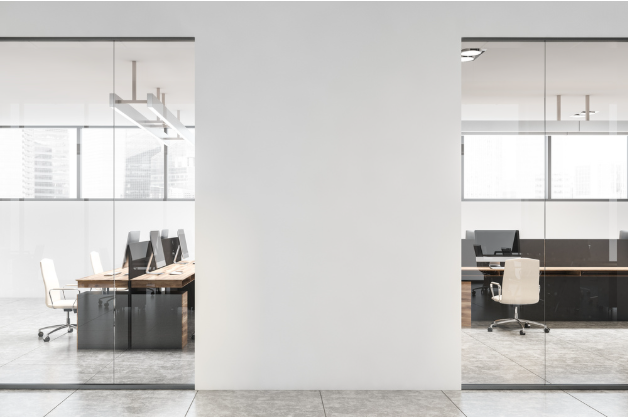
Boston’s business world looks nothing like it did ten years ago. Biotech companies rub shoulders with old-school insurance firms. Startups are occupying former warehouses. Law firms are renovating brownstones. Despite their differences, these workplaces share a collective understanding. This is that simple cleaning is no longer sufficient. They want spotless, healthy spaces that make employees excited to show up each morning.
Health and Safety Take Center Stage
Remember when offices just needed trash removal and vacuum runs? Those days are gone. Boston companies now obsess over air quality the way they used to obsess over coffee quality. HEPA filters pop up everywhere. Duct cleaning happens quarterly, not whenever someone remembers.
Shared spaces get hammered with disinfectant. Not just a spray and pray either. We’re talking serious sanitization of elevator buttons that hundreds of fingers poke daily. Bathroom door handles that everyone touches. Kitchen microwaves splattered with last week’s lunch explosions. Some places zap entire rooms with electrostatic sprayers that coat germs from every angle. The level of thoroughness now is quite remarkable.
Sustainability Meets Cleanliness
Boston thrives on a positive form of environmental consciousness. Companies here freak out about toxic chemicals near their employees. They demand plant-based cleaners that actually work, and they quiz cleaning crews about recycling like it’s a final exam.
They also find water waste to be a nuisance. Energy consumption is also a consideration. Today’s equipment is far more water-efficient than older mop and bucket systems. Microfiber cloths have significantly reduced the use of paper towels. Cleaning is done at unusual times to bypass expensive electricity charges. Employees notice this stuff. So do those Cambridge venture capitalists who drop by for meetings. It’s natural to want a workspace with an environmentally friendly footprint.
Technology Drives New Expectations
Boston offices got smart – literally. Buildings count foot traffic and tell cleaners where to focus. Air quality sensors text alerts when dust levels spike. Some places blast UV light at keyboards after hours, frying germs while everyone’s home sleeping.
Tech companies started this trend, but now even stuffy financial firms jump on board. They want smartphone apps showing exactly when their space got cleaned. Photos proving the work happened. Instant messaging with cleaning crews. Digital everything. Paper checklists might as well be stone tablets at this point. The entire city runs on data, and cleaning is no exception.
Customization Becomes Standard
A Cambridge lab handling cell cultures needs different treatment than a Back Bay marketing agency. Financial companies get paranoid about papers left on desks. Medical practices follow strict sanitization rules. Art galleries worry about chemical fumes near paintings. Every business wants its own special approach now. Busy season? Adjust the schedule. Big client presentation tomorrow? Extra attention tonight. Half the staff working from home Fridays? Skip those empty cubicles. The days of identical service for every client died fast once companies realized they were paying for cleaning they didn’t need while missing stuff they desperately wanted.
This complexity overwhelms basic janitorial services. All Pro Cleaning Systems, a commercial office cleaning company, has elevated its services with specialized teams and advanced equipment. Not to mention the adaptability to satisfy Boston’s most demanding clients.
Conclusion
Boston businesses completely rewrote the rules on workspace cleanliness. Health, environment, technology, customization; these aren’t buzzwords anymore. They’re minimum requirements for any office that wants to compete for talent and impress clients. Companies that nail these standards see the payoff. Better employee attendance. Happier visitors. Fewer complaints. Those still stuck in the past wonder why their best people keep leaving for competitors with nicer offices. The truth is simple: Boston’s expectations keep climbing, and nobody’s waiting around for stragglers to catch up.