
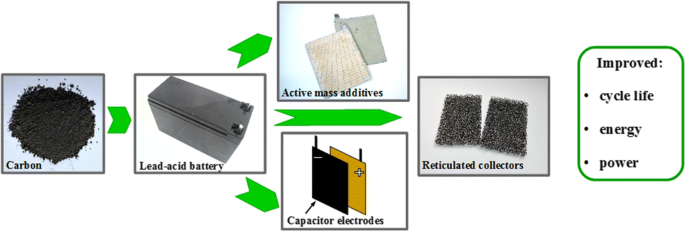
The global energy storage landscape is evolving rapidly, driven by increasing demand for reliable, efficient, and sustainable power solutions. Lead-acid batteries, a technology with over a century of application, remain a cornerstone of energy storage due to their affordability and robustness. However, the performance of these batteries has been significantly enhanced by material innovations, particularly the integration of high-quality carbon additives. Among these, carbon black for lead acid batteries plays a pivotal role in improving conductivity, mitigating sulfation, and extending overall battery lifespan.
This blog explores the critical functions of carbon black, the benefits of advanced lead acid battery design, and strategies to maximize efficiency and durability in contemporary applications.
Enhancing Electrical Conductivity for Superior Performance
Integrating carbon black into lead-acid battery plates ensures that electrons move more freely, allowing batteries to operate at peak efficiency while maintaining consistent performance under varying loads.
- Improved Charge Distribution: The incorporation of carbon black in battery plates ensures more uniform current distribution across the negative plate. This improvement reduces hotspots and prevents uneven reactions during charging and discharging cycles. As a result, the battery maintains a higher operational efficiency, minimizing energy loss and ensuring reliable performance for both industrial and commercial applications.
- Faster Charging Capabilities: Batteries containing high-quality carbon additives demonstrate faster acceptance of charge. Carbon facilitates the movement of electrons, enabling quicker recharging without compromising longevity. This capability is particularly valuable in applications requiring frequent cycles, such as backup power systems and renewable energy integration.
- Reduced Internal Resistance: Carbon black acts as a conductive filler that significantly lowers internal resistance. Lower resistance translates to higher energy efficiency and stable voltage output, which is critical for sensitive electronics, electric vehicles, and other high-demand applications. The role of carbon here ensures that batteries deliver consistent performance under varying load conditions.
Mitigating Sulfation and Extending Lifecycle
Sulfation is one of the primary causes of premature battery failure. By incorporating high-quality carbon additives, lead-acid batteries are better equipped to resist crystal formation, recover from deep discharges, and maintain long-term capacity, extending their useful life.
- Preventing Lead Sulfate Formation: One of the most common causes of lead-acid battery degradation is sulfation, where lead sulfate crystals accumulate on the negative plate. The presence of carbon black helps inhibit the formation of these crystals, allowing the battery to retain active material longer. This intervention directly prolongs the battery’s service life, reducing the frequency of replacements and maintenance costs.
- Recovery from Deep Discharge: Batteries often experience deep discharge cycles that can permanently impair capacity. Carbon-enhanced negative plates facilitate faster recovery, helping batteries regain charge acceptance more effectively than conventional designs. This resilience is crucial for industrial operations that cannot afford downtime due to battery failures.
- Sustained Performance in High-Cycle Applications: Applications such as solar power storage, UPS systems, and telecommunications require batteries to undergo frequent charge-discharge cycles. Carbon’s sulfation mitigation ensures that performance remains stable across these cycles, enhancing reliability and supporting long-term operational efficiency.
Supporting High-Demand Industrial Applications
Carbon-enhanced lead-acid batteries provide the robustness, energy efficiency, and rapid response required to support critical industrial operations without compromising reliability.
- Robustness in Extreme Conditions: Industrial settings often subject batteries to high temperatures, heavy loads, and irregular usage patterns. Batteries integrated with carbon additives maintain structural and chemical stability under such conditions. This durability ensures an uninterrupted power supply, which is essential for manufacturing plants, data centers, and critical infrastructure.
- Energy Efficiency Optimization: Carbon black enhances the overall energy density and efficiency of lead-acid batteries. By improving charge retention and minimizing energy loss, these batteries support cost-effective operations and reduce electricity wastage. Industries deploying such solutions benefit from lower operational costs and improved energy management metrics.
- Integration with Hybrid Systems: Modern energy storage often involves hybrid configurations, combining lead-acid battery solutions with other technologies such as lithium-ion systems. Carbon-enhanced lead acid batteries exhibit faster response times and consistent voltage output, making them compatible with hybrid systems that require precise energy balancing and rapid discharge capability.
Advancing Sustainable Energy Practices
Carbon-enriched lead-acid batteries contribute to longer lifespans, reduced material waste, and improved integration with renewable energy systems, making them an essential choice for responsible and efficient power management.
- Reducing Waste Through Longevity: Long-lasting batteries mean fewer replacements and less environmental waste. By mitigating sulfation and improving cycle life, carbon additives contribute to more sustainable energy storage solutions. This extended lifespan reduces the consumption of raw materials and the environmental impact associated with battery disposal.
- Supporting Renewable Integration: Energy storage is a critical enabler of renewable power integration. Carbon-enhanced lead-acid batteries are increasingly deployed in solar and wind energy systems due to their improved efficiency, high cycle endurance, and reliability under variable load conditions. Their performance ensures that stored renewable energy can be effectively utilized when needed, enhancing overall grid stability.
- Promoting Responsible Material Usage: Using advanced carbon materials emphasizes the importance of quality over quantity in energy storage design. High-purity carbon not only improves performance but also reduces the need for excessive additives, making battery production more sustainable and economically viable for manufacturers.
Optimizing Battery Design Through Carbon Innovations
Modern battery design leverages advanced carbon technologies to achieve precise plate composition, enhanced safety, and predictable performance.
- Precision Engineering of Plates: Battery designers leverage carbon’s properties to fine-tune plate composition and structure. By adjusting carbon content and distribution, manufacturers achieve a balance between conductivity, mechanical strength, and chemical stability. This precision engineering ensures reliable performance even under high-demand scenarios.
- Enhancing Safety Measures: Carbon’s ability to stabilize reactions on the negative plate also contributes to overall battery safety. Stable charge-discharge cycles reduce the risk of thermal runaway or localized overheating, protecting both equipment and personnel.
- Predictable Performance Metrics: Consistency in carbon quality allows manufacturers to produce batteries with predictable output, cycle life, and efficiency. This reliability is particularly critical for industries that depend on uninterrupted power and cannot tolerate unexpected battery failures.
Final Thoughts
The integration of carbon black for lead-acid batteries represents a transformative advancement in modern energy storage. By improving conductivity, mitigating sulfation, and enhancing cycle life, carbon additives play a crucial role in elevating battery performance across industrial, commercial, and renewable applications. Lead-acid batteries enhanced with high-quality carbon are not only more efficient but also support sustainable energy practices through reduced waste and improved reliability.
For those seeking expert guidance and high-quality material support, exploring solutions such as Birla Carbon Continua at Birla Carbon ensures consistent performance, durability, and operational efficiency, enabling industries to harness the full potential of modern energy storage technologies.